LOW
FIRE DANGER

Weather

Dear Neighbors,
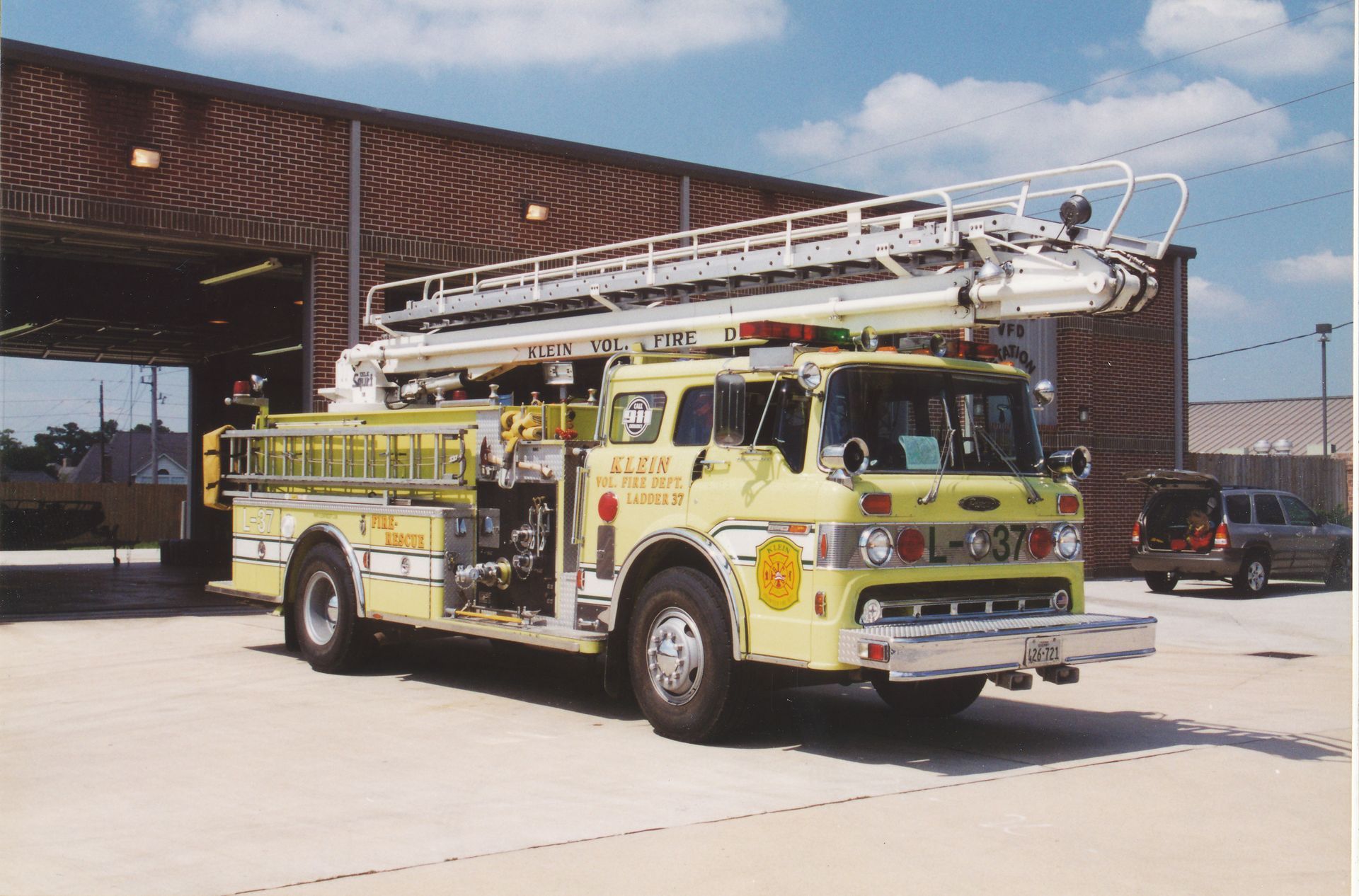
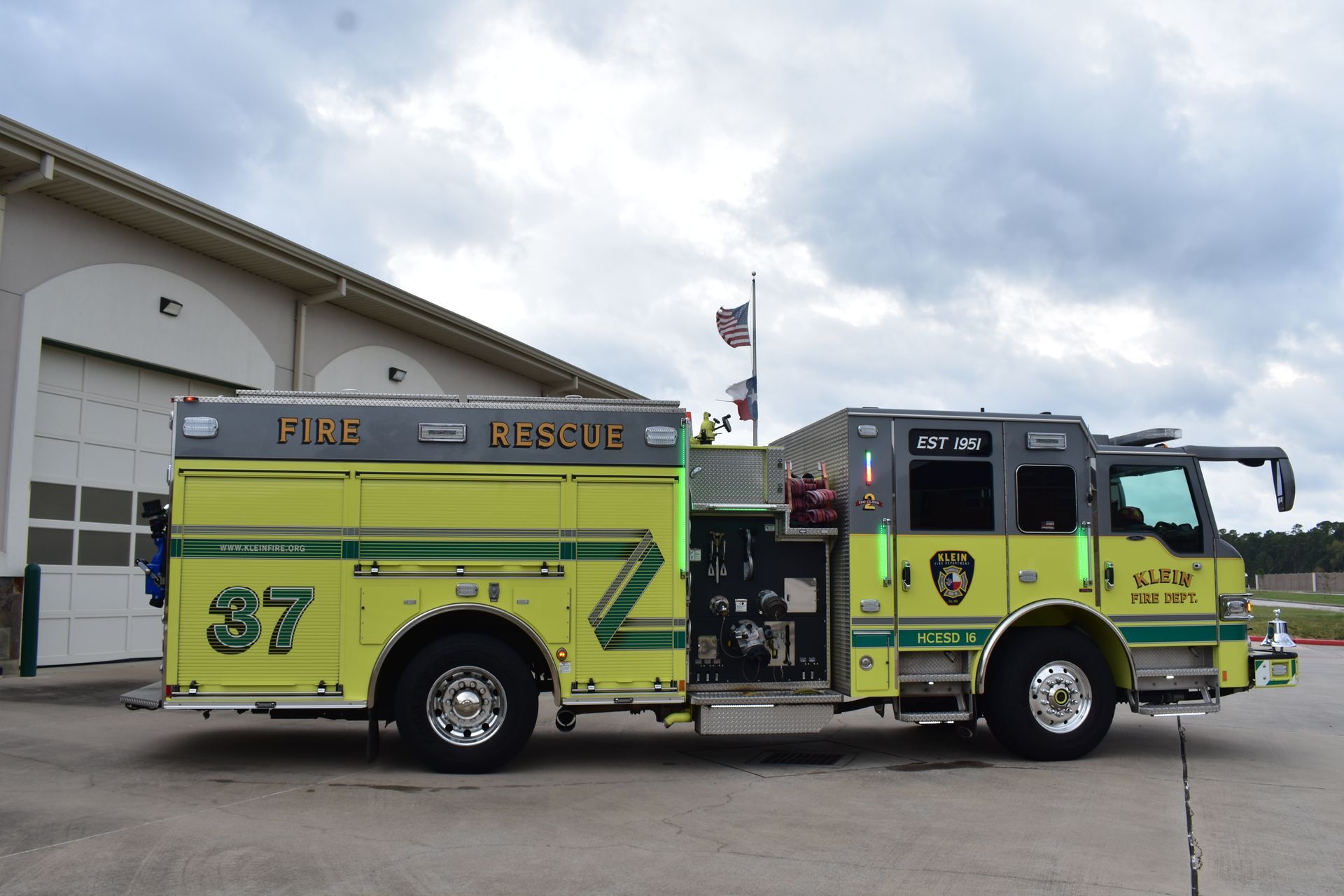
When you see the lime trucks of the Klein Fire Department moving through our streets, you're seeing more than just specialized equipment. You’re seeing a promise that has been kept for generations.
I often look back at the early days of our department—a time when our community was smaller, the roads were quieter, and a handful of dedicated neighbors stepped up to protect their friends and families. Today, Klein has grown into a vibrant, bustling area, and your fire department has grown right alongside it.
We are incredibly proud of the history we share with you. Whether it’s been at a neighborhood block party, an elementary school visit, or during the most difficult moment of a family's life, KFD has been there.
But as our community continues to change, we must ensure that our “safety net” remains as strong as ever. The challenges of 2026 are not the challenges of 1950, or even 2020. As we face increased call volumes and a rapidly changing landscape, we must be proactive in how we protect our homes and businesses.
Over the next several weeks, I want to share our story with you: where we've been, the challenges we face today, and how we can work together to secure the future of fire and emergency response services in Klein.
Thank you for your continued trust and support. We don’t just work in Klein; we live here, and we are honored to serve you.
Sincerely
Jason L. Catrambone CFO, ECO, GIFireE
Fire Chief, Klein Fire Department
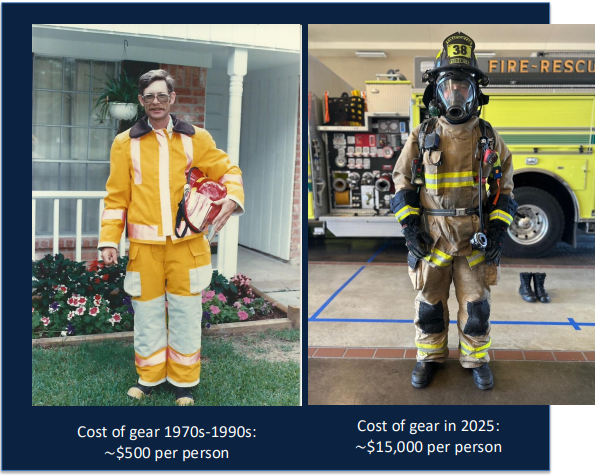
A generation ago, a community siren or phone tree roused volunteers from their homes to the station, and on to the emergency. Armed with basic fire suppression training, rubber “turnout” coats and plastic helmets, these volunteers established the foundation of the early Klein (Volunteer) Fire Department.
Today, an integrated emergency communications center dispatches highly trained career crews and modern apparatus. A Klein Firefighter is a walking life-support and suppression system, outfitted in multi-layered thermal tech, Self Contained Breathing Apparatus (SCBA), and advanced structural PPE engineered to bridge the gap between danger and survival.
They are skilled in fire suppression, emergency medical services, hazardous materials, swift water and high-angle rescue, and extrication. Yet, beneath the layers of protection, the heartbeat of the department remains the same as it was a generation ago. This evolution from essential volunteerism to a sophisticated, multi-disciplinary strike force isn’t just about better equipment; it’s about a commitment to a community that has grown in both size and complexity.
Today’s Klein Firefighter doesn't just “show up”—they arrive fully equipped with a mobile arsenal of skills and technology, ready to solve the most technical problems on a resident’s worst day. Whether it’s a structure fire, an aircraft emergency, or a high-stakes rescue at the height of rush hour, the tools have changed, but the promise is identical: when minutes and seconds count, Klein Fire Department is there
It’s not just inflation that has driven up costs—it’s the technology. Modern engines are mobile command centers equipped with advanced tools and specialized extraction gear for modern vehicle incidents.
Why the “Safety Net” is Stretching
Population vs Protection
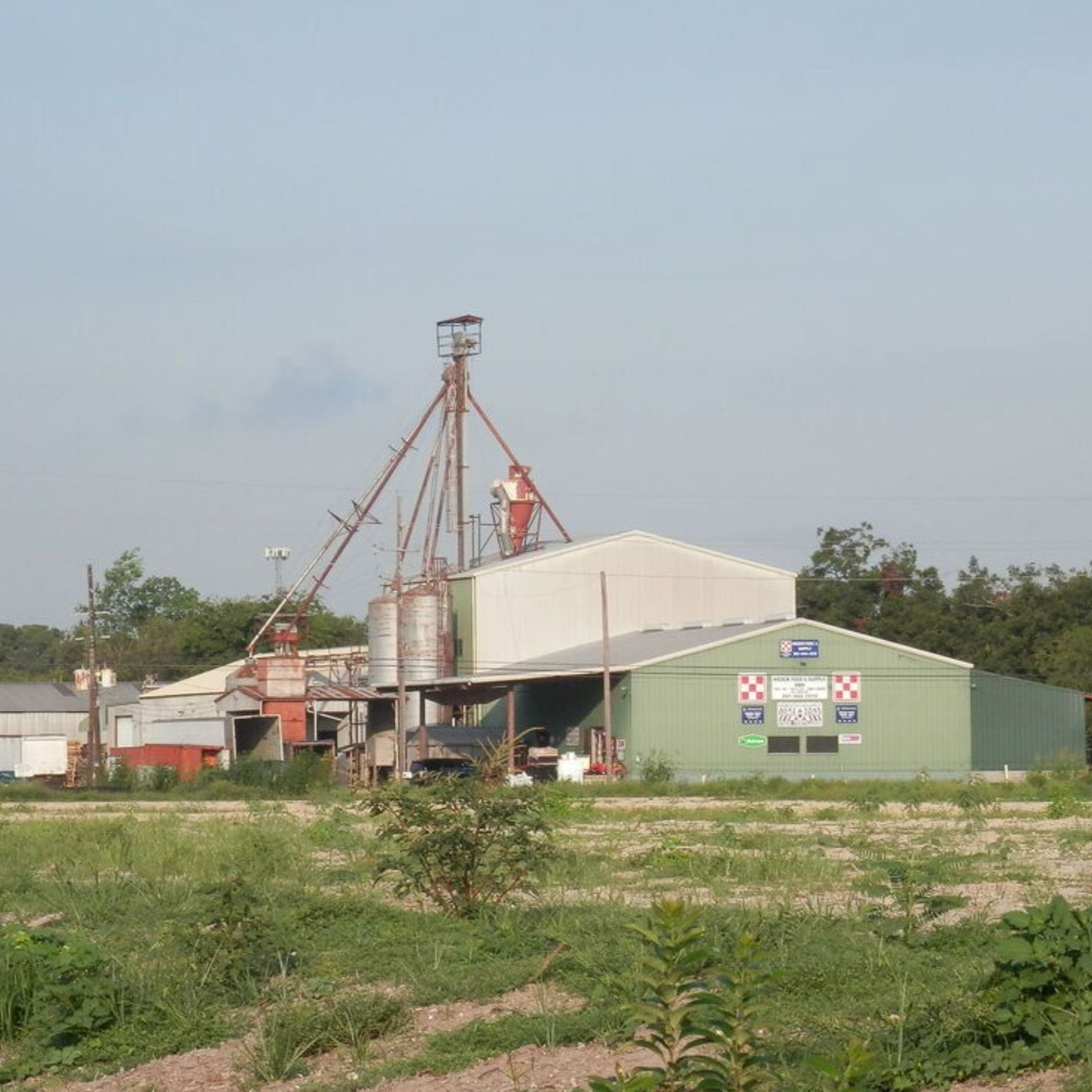
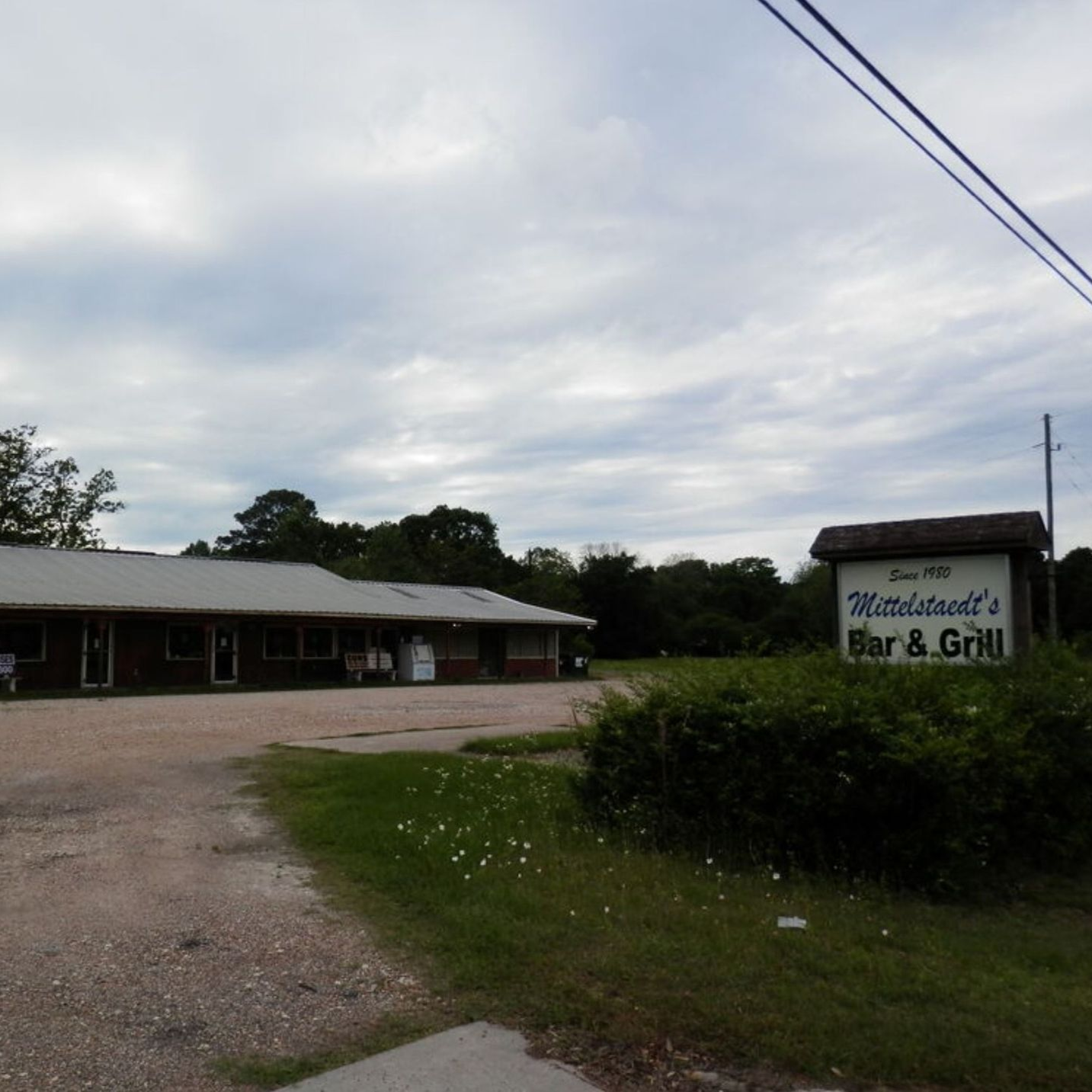
1980: Klein, Texas was largely open fields and windy two-lane roads.
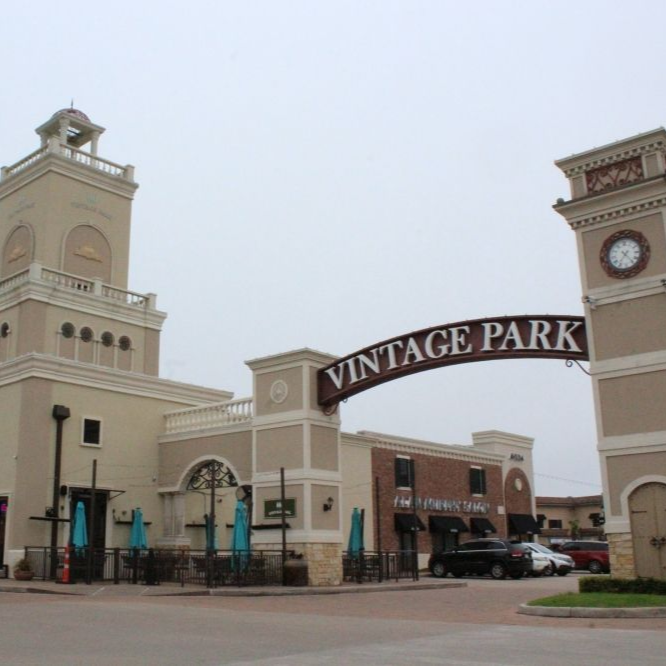
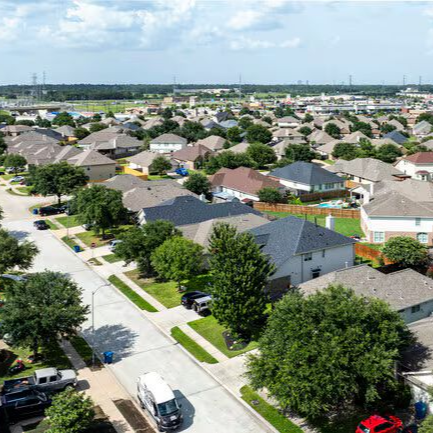
2026: We protect over 200,000 people across nearly 50-square miles of dense suburban and commercial developments.
Way back when, a single truck and a phone tree were all we needed to protect a few hundred families. Now, our fleet handles multi-story residential and commercial complexes, high-speed roadways, and advanced medical rescues across 49 square miles of an expanded Klein, TX.
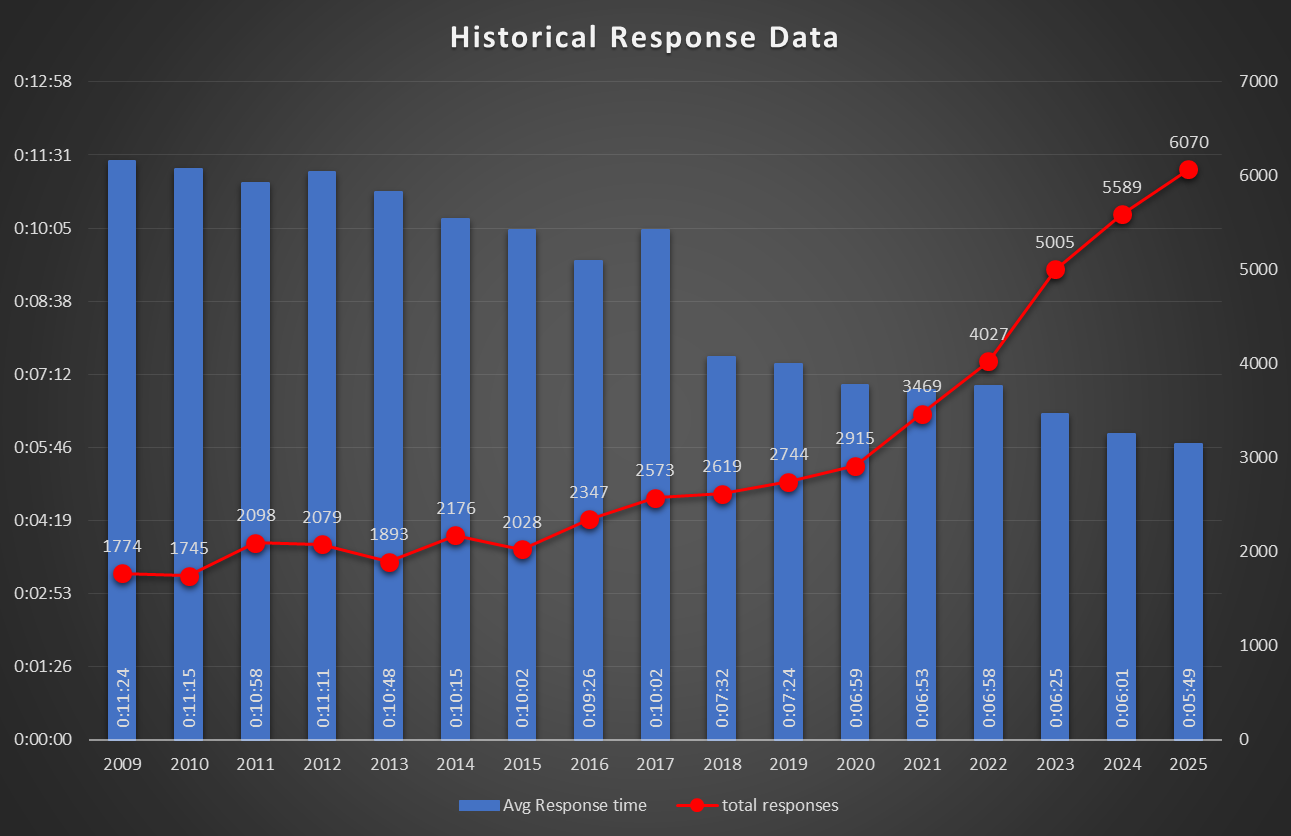
Our call volume has nearly tripled in 20 years, but our primary funding mechanism (the tax cap) is tied to a limit established decades ago.
When a heart stops or a kitchen fire starts, seconds are the only currency that matters. The national standard for first responder arrival to an emergency is 6–8 minutes. Klein Fire Department’s average response time is under 6 minutes. Our challenge is to maintain and improve this elite speed. As traffic increases and more growth occurs, we need more boots on the ground for our strategically-placed stations.
Where Does the Money Go?
65% Personnel: dedicated professionals stationed 24/7/365 at all 8 stations.
20% Equipment & Maintenance: Keeping those “Klein Lime” trucks ready to roll.
15% Facilities & Training: Maintaining 8 stations and ensuring crews are elite-certified.
49 Square Miles, 8 Stations, 1 Mission: Your Safety
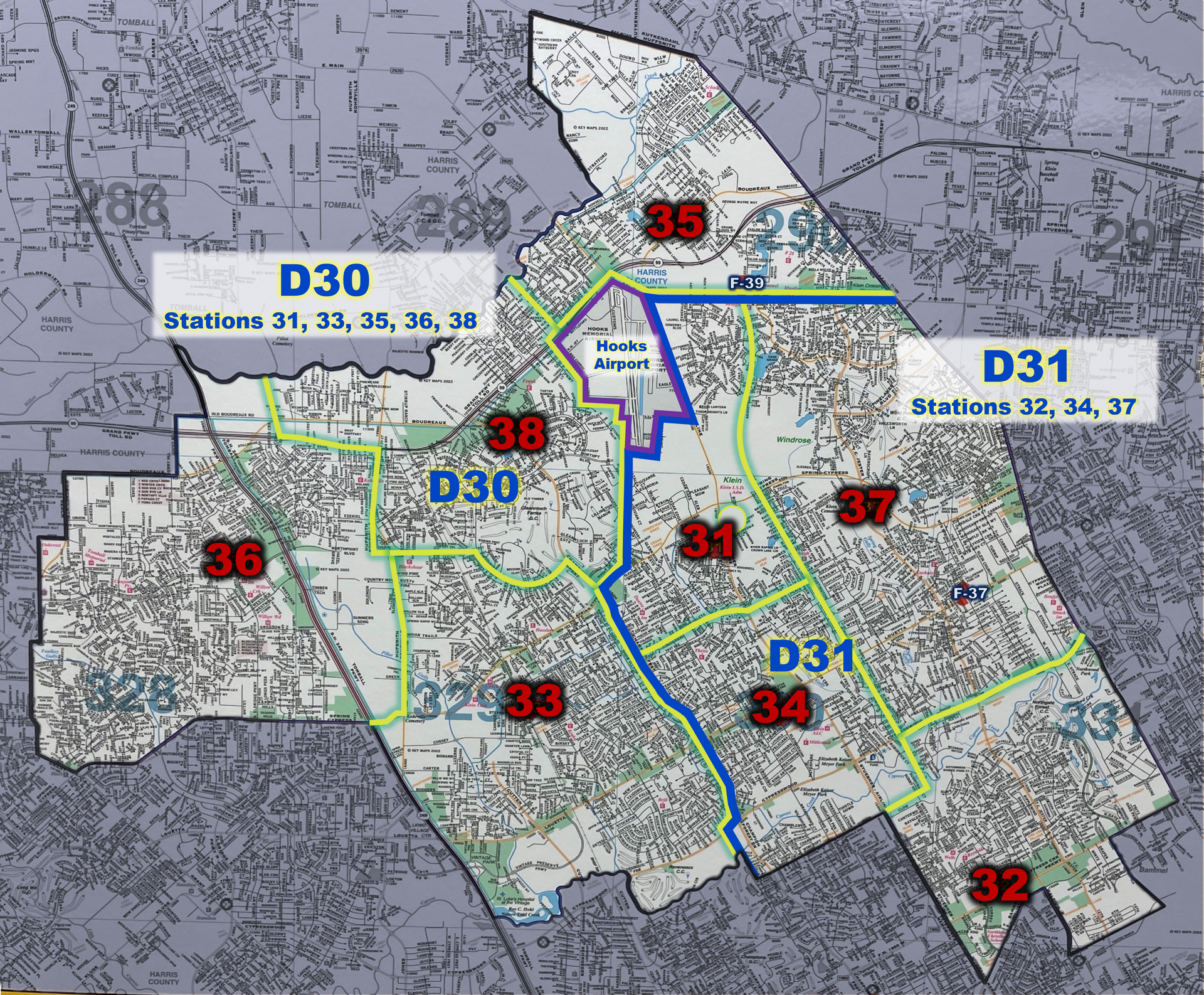
Station 1: Stuebner Airline Rd—Anchoring the center of the District.
Station 2: Gladebrook Dr—Protecting Oak Creek Village, Olde Oaks, and Northgate Forest.
Station 3: Landry Blvd—Serving the heart of our residential corridors and home to our training facility.
Station 4: Squyres Rd—Focused on the Kleinwood and Champion Forest areas.
Station 5: Spring-Stuebner Rd—Covering the rapidly growing northern corridor near the Grand Parkway.
Station 6: N. Eldridge Pkwy—Protecting the western edge of our District near Tomball.
Station 7: TC Jester Blvd—Serving Spring Creek Oaks, Spring Creek Forest, Windrose, and Senterra Lakes.
Station 8: Crescent Clover Dr—Our newest addition to ensure coverage of the Gleannloch Farms area.
Why We Are Asking for a Cap Adjustment
What is a “Tax Rate Cap”?
Think of the tax rate cap like a “ceiling” on a bucket. The Texas Constitution allows a maximum authorized rate for Emergency Services Districts (ESDs) in Texas of $0.10 per $100 of property valuation. When Harris County ESD 16 was established, it was formed with a ceiling of $0.05 per $100 of value.
For over 25 years, Klein Fire has operated well below that ceiling at just below $0.05, where the cap has been set since 2010. However, as the community has grown from rural fields to a dense suburban landscape, the cost providing professional 24/7 life-saving services has caught up to that 5-cent limit.
The “Zero Cents” Myth
The Proposition: We are asking voters to adjust the “authorized” tax cap from ESD 16’s current rate of $0.05 per $100 to the stateallowed maximum of $0.10 per $100 of value.
The Reality: An adjustment to the current ESD 16 cap does not mean the tax rate automatically jumps to that level of $0.10 per $100 of property value. The Board of Commissioners of Harris County ESD 16 sets the actual rate annually based on the strict budget needed to maintain our ISO Class 2 safety rating.
Fire Engine
In 2010, a pumper cost $375,000. Today, it is over $1.3 million.
Fuel & Maintenance
As we respond to 6,000+ calls a year, the cost to keep our fleet of rescue apparatus running has tripled.
Professional Staffing
Moving from a volunteer-only model to a 24/7 professional staffing model is the only way to keep response times at ∼6 minutes. Quality professionals require competitive pay to stay in Klein.
Here is how the ESD tax impacts a typical Klein home.
| Home Value | Current Annual Tax (approx. $0.05) | Max Possible Tax (at $0.10 cap) | Difference per month |
|---|---|---|---|
| $200,000 | $100.00 | $200.00 | $8.33 |
| $350,000 | $175.00 | $350.00 | $14.58 |
| $500,000 | $250.00 | $500.00 | $20.83 |
THE QUESTION FOR THE COMMUNITY:
Is having a professional fire station 6 minutes away worth the price of one or two streaming service subscriptions a month?
Financial Transparency
We believe in open books. Harris County ESD 16 undergoes a rigorous independent audit every year. Our budget hearings are public, and every dollar is accounted for.
View our annual audit & financials: www.hcesd16.org/financials
You Asked, We Answered –
Learn more with our FAQs

The upcoming election regarding the tax rate cap adjustment will be held on Saturday, May 2, 2026.